Its earliest meanings were not very positive. Born of the Latin luxus and later the Old French luxure, luxury once spoke of excess and indulgence, even moral weakness. In medieval Europe, it was a temptation to be resisted, its very presence a challenge to virtue. Possession could be dangerous—an invitation to suspicion, regulation, even censure. In contrast, by the Renaissance, beauty and craftsmanship had softened the narrative.
Over the centuries, the story softened. By the time of the Renaissance, beauty and craftsmanship had shifted the narrative. A finely woven textile or a work of architecture was no longer something to be scorned, but rather celebrated. Patronage became the definition of refinement; artistry became identity. As a result, with each new century, luxury edged further away from guilt and closer to something aspirational—it was less about sin and more about significance and meaning.
The 20th century marked another chapter in the evolution of luxury, as it was distilled into the celebrated European Houses of fashion and design: Chanel, Hermès, Dior, Louis Vuitton. These were not just recognisable brand names; they were symbols of discernment and heritage. Objects told stories; lineage shaped their value. However, as use of the word spread more widely, it lost gravitas. Marketers stamped “luxury” on everything from packaging to real estate, draining it of depth and meaning. As François-Henri Pinault remarked, “Luxury is overused… You’re always more luxurious than someone else, and always less luxurious than someone else.”

By the late 20th century, Giorgio Armani carried the story into a new era. His softly tailored suits and muted palettes stripped away excess, making restraint aspirational. Extending into interiors, his Casa line embodied the same philosophy of clarity and ease. If Chanel had made modern elegance the measure of luxury, Armani showed that true refinement could also lie in restraint and meaning.
But even as restraint became aspirational, the term “luxury” itself began to lose precision—applied to everything from fashion to packaging—setting the stage for its modern dilemma.
Today, we find luxury transformed. It is no longer overtly ostentatious, but its universality risks dilution. If everything is luxury, then nothing is. For the discerning client, the question is no longer about price or logos. It is about depth. What matters is how something is made, where it comes from, and the meaning it carries into the lives of those who live with it.
For some, this may be a rare textile. For others, a bespoke commission that is both symbolic, and that embodies meaning and memories. Increasingly, it is about authenticity: materials that age gracefully, patterns that carry depth of meaning, craftsmanship that cannot be rushed.
Across cultures, we see this shift—whether in the gentle balance of Japanese refinement, the celebratory spirit woven into India’s craft traditions, and the enduring textile heritage of the British Isles—luxury has become layered, nuanced, and deeply personal.

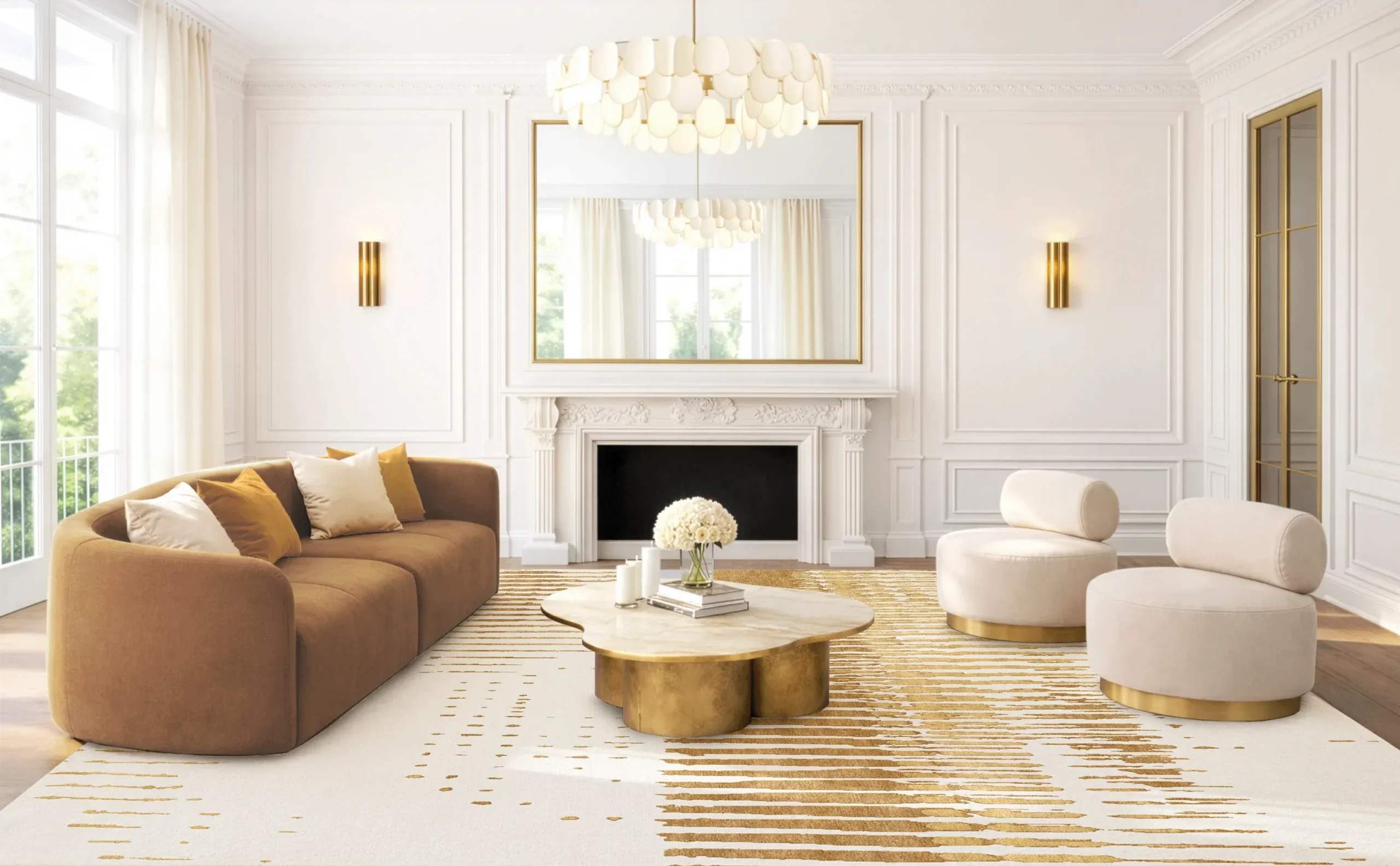
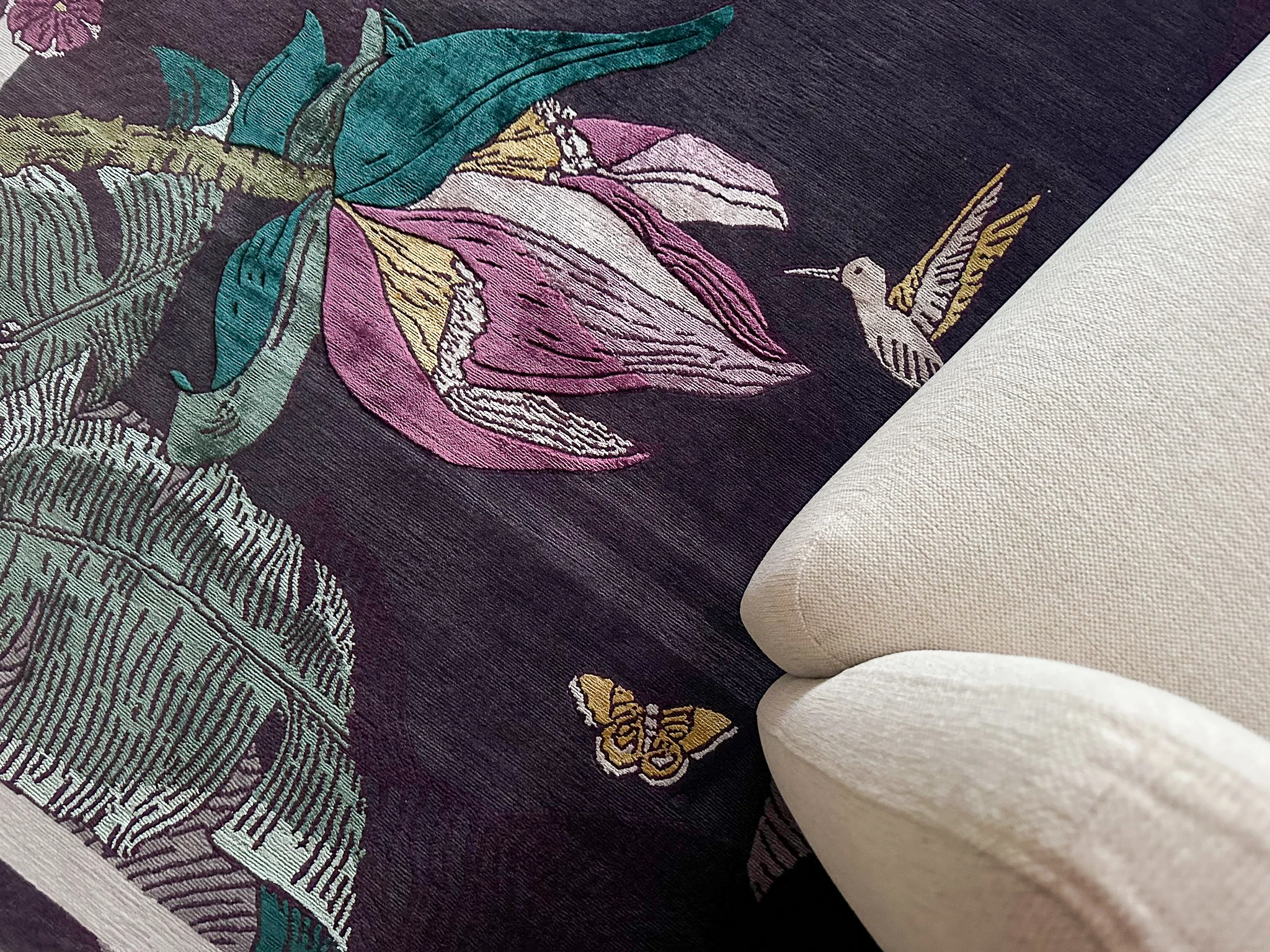
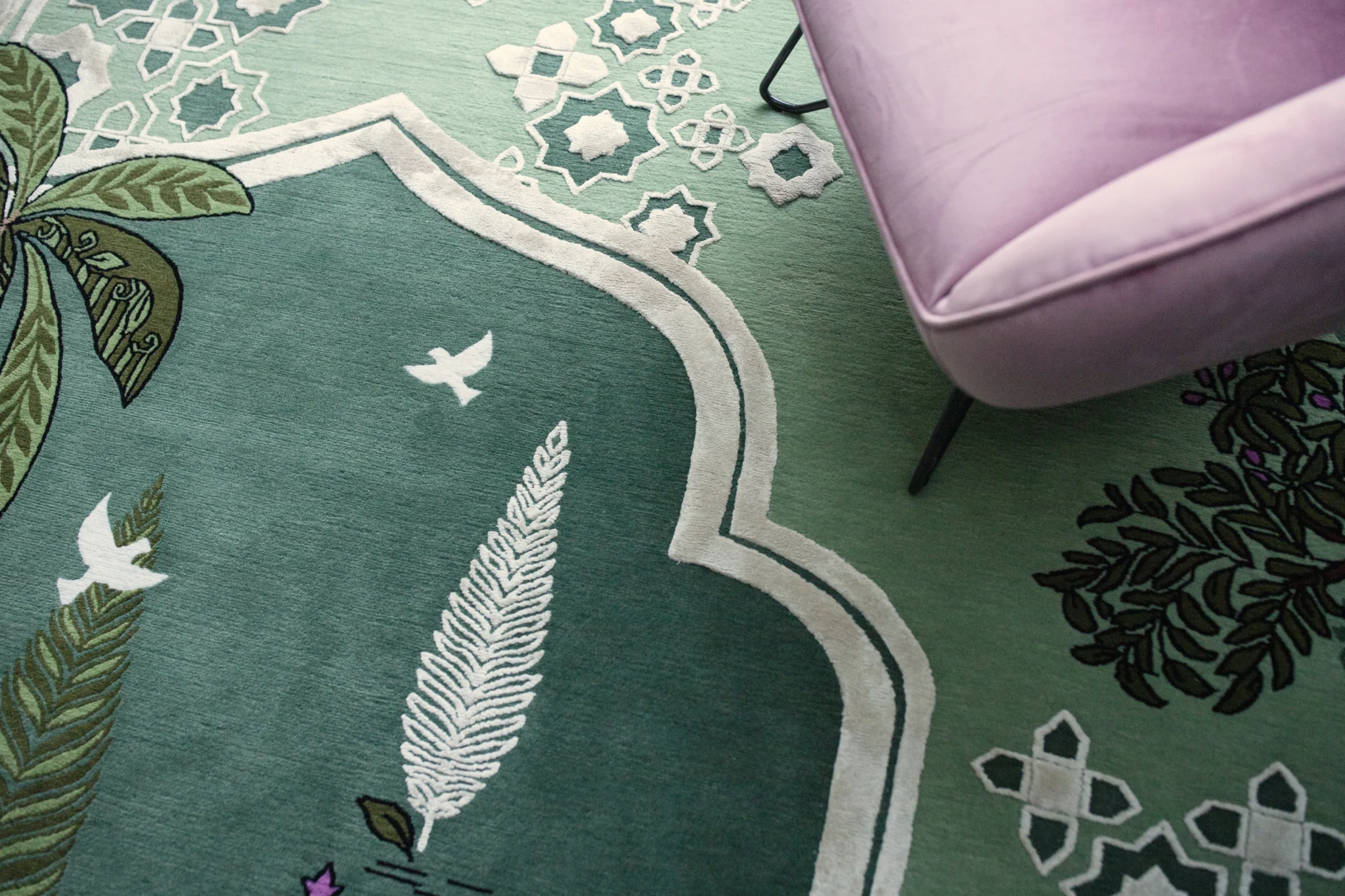
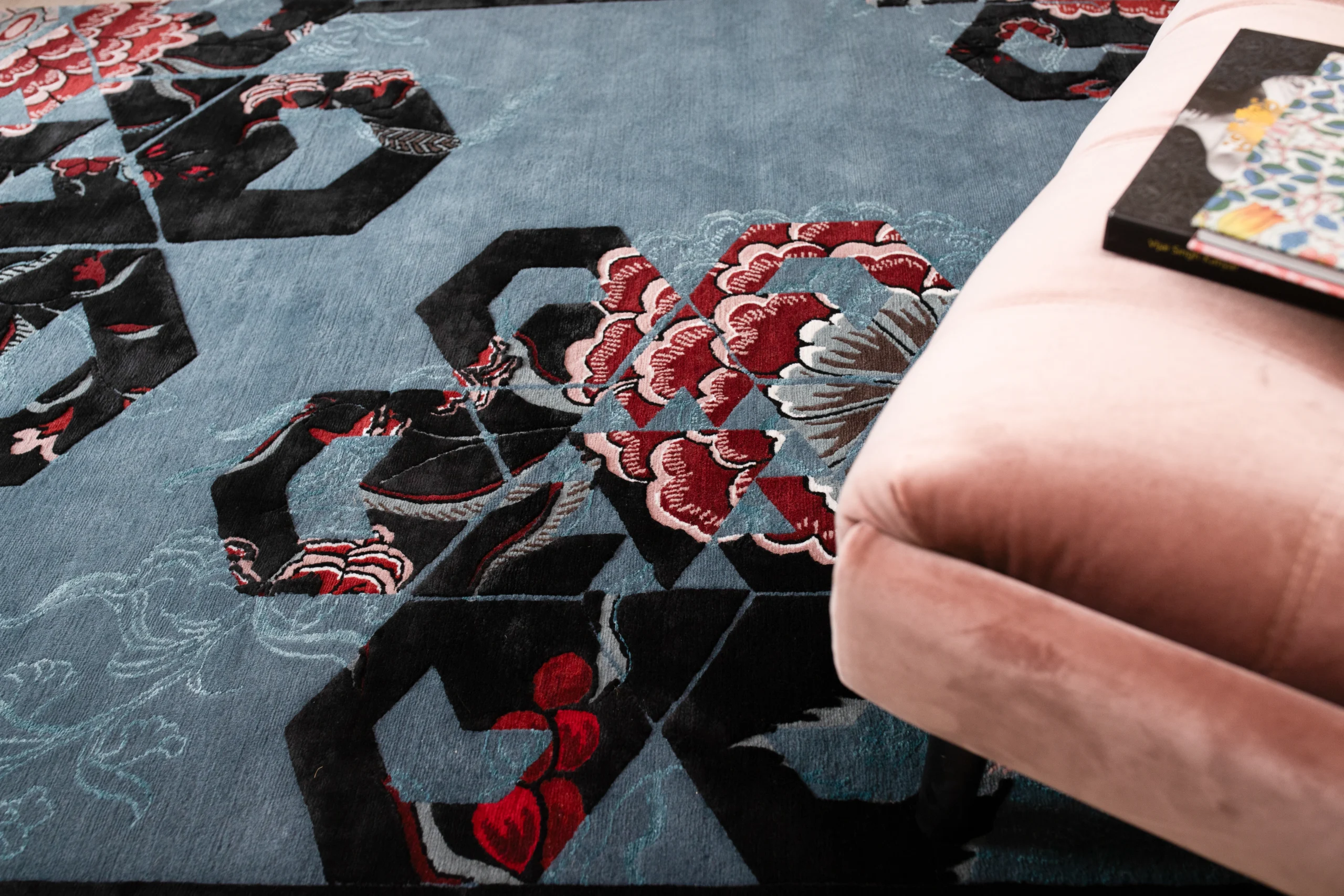
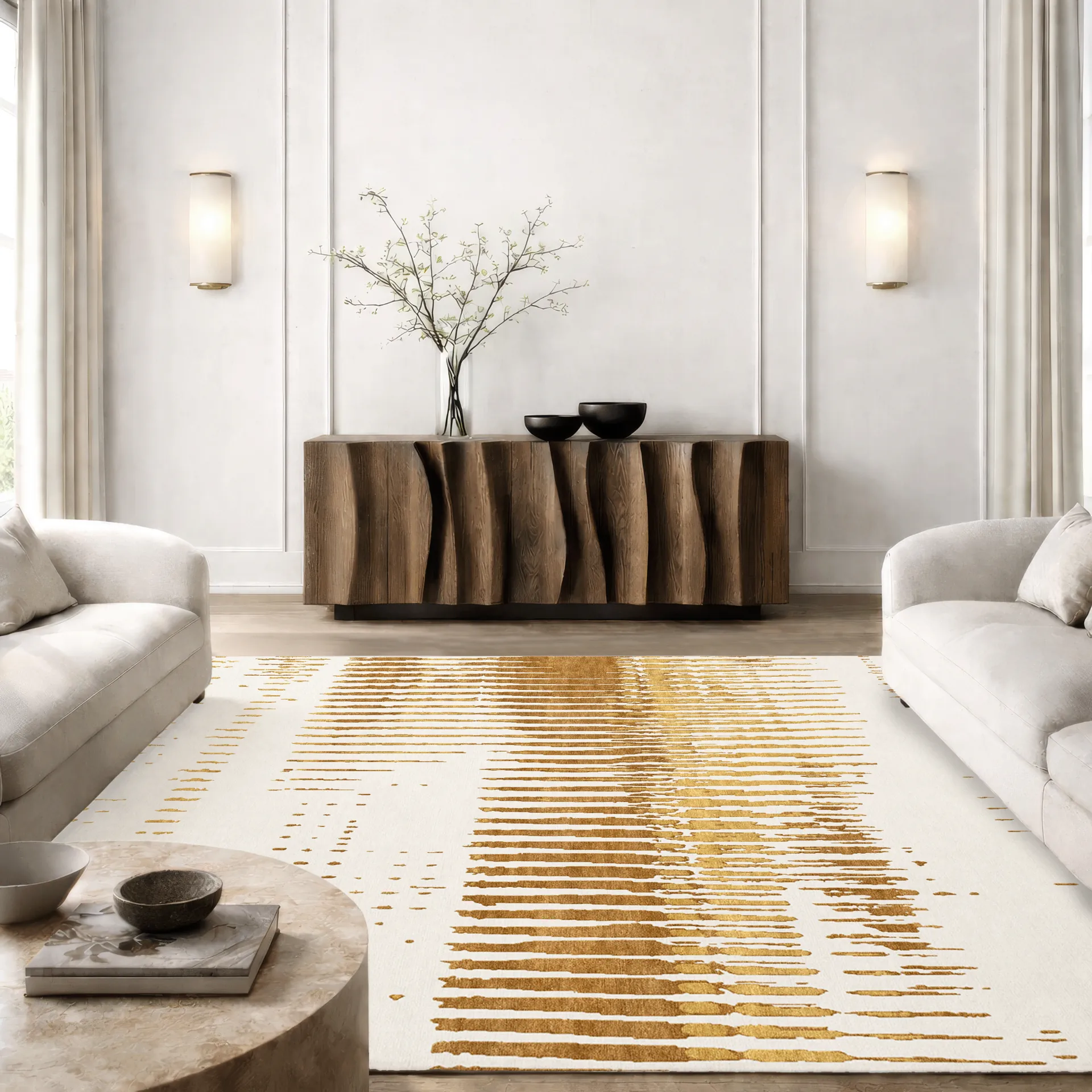
At Northwest 35, we begin with this understanding. Each rug is conceived as a piece to live with—designed to hold meaning and presence within a space.
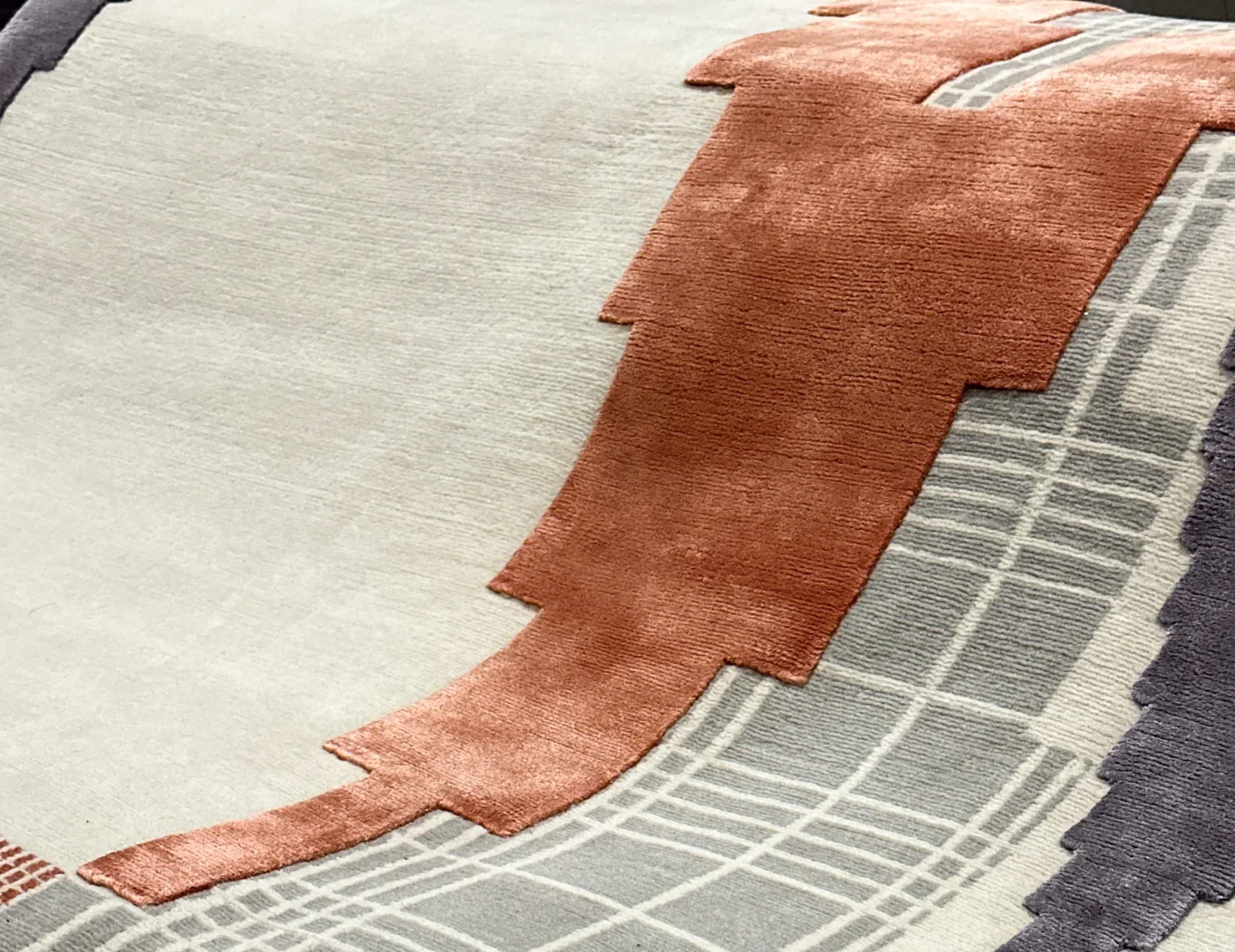
Artisans in Nepal and India weave our hand-knotted rugs slowly, using natural fibres and drawing on deeply rooted heritage. Every thread carries artistry and ancestry, connecting contemporary design to generations of craft.
From our curated collections to bespoke commissions, each piece is made to endure across time, culture, and generation.
For Millennials and Gen Z—who now drive global luxury spending—the evolution of luxury speaks of self-expression. Clients now expect personalisation, and in Asia, buyers increasingly define value through quality and assurance.
This marks a departure from the logo-driven ideals of the past. Today, the true currencies of luxury are bespoke design, cultural storytelling, and craftsmanship. Value is found less in recognition and more in resonance.
More than anything, luxury has become intimate. For one person, it may be a rare vintage textile. Another may seek the chance to commission something entirely their own. Many find assurance in knowing that an object carries a story and is made to last.
When I was looking for rugs for my own home, I wanted something functional and personal—a piece that mirrored my story, my references, and my values. In the end, I created rugs based on the story I wanted to tell. They carried soul, and that was their true mark of value.

At Northwest 35, we believe this is the essence of the evolution of luxury—it does not demand recognition, it belongs naturally within a space, becoming a companion to life. Luxury means less about possession and more about connection. It lives with us, holds our stories, and endures through time.
📩 Explore our bespoke rug-making service to begin a conversation about a rug that tells your story.